Green Energy-Efficient Servers: Recommended Low-Power Models
Green Energy-Efficient Servers: Core Hardware for Corporate Low-Carbon Transformation
Against the backdrop of the “Dual Carbon” goals and stricter energy consumption controls for data centers, green energy-efficient servers have become the top choice for upgrading corporate IT infrastructure. Compared to traditional servers, low-power servers utilize technologies such as low-power CPUs, Titanium/Platinum-rated power supplies, intelligent cooling, and DDR5 memory to reduce overall power consumption by 30%–60%. This results in annual energy savings of thousands of kilowatt-hours, lowering electricity costs while helping enterprises achieve green and low-carbon goals and reduce PUE (Power Usage Effectiveness). By 2026, green energy-efficient servers will cover all scenarios—including 1U/2U racks, tower models, and edge computing—becoming the mainstream choice for small and medium-sized enterprises, distributed data centers, and edge nodes.
Core Energy-Saving Technologies for Green Energy-Efficient Servers
Low-Power Processors: The Core of Energy Efficiency
· Prioritize low-power chips such as AMD EPYC 4004/4005 (TDP as low as 65W), Kunpeng 920, and Haiguang 3350 (65W)
· Light-load scenarios: Celeron J6412, EPYC Embedded 3201 (TDP only 30W), for maximum energy savings
· Intelligent Frequency Scaling: Dynamic throttling under load, reducing idle power consumption to under 15W
High-Efficiency Power Supplies: Reduce Conversion Losses
· 80 PLUS Titanium (≥96%) and Platinum (≥94%) power supplies, with optimal efficiency at 50% load
· 54V/12V dual-rail power delivery reduces conversion losses, saving over 76W per unit
Intelligent Cooling: Reduced Fan Power Consumption
· Fan PID intelligent speed control, 3D temperature sensing, and zoned cooling
· Liquid cooling / cold plate cooling: PUE reduced to 1.05–1.2, air conditioning energy consumption reduced by 80%
Memory and Storage: Low-Power Components
· DDR5 low-voltage memory (20% more energy-efficient than DDR4)
· NVMe SSDs replace HDDs (80% lower energy consumption), with tiered storage for hot and cold data
Recommended Low-Power Server Models for 2026 (Full-Scene Coverage)
Energy-Efficient Tower Servers for SMEs (Top Entry-Level Choice)
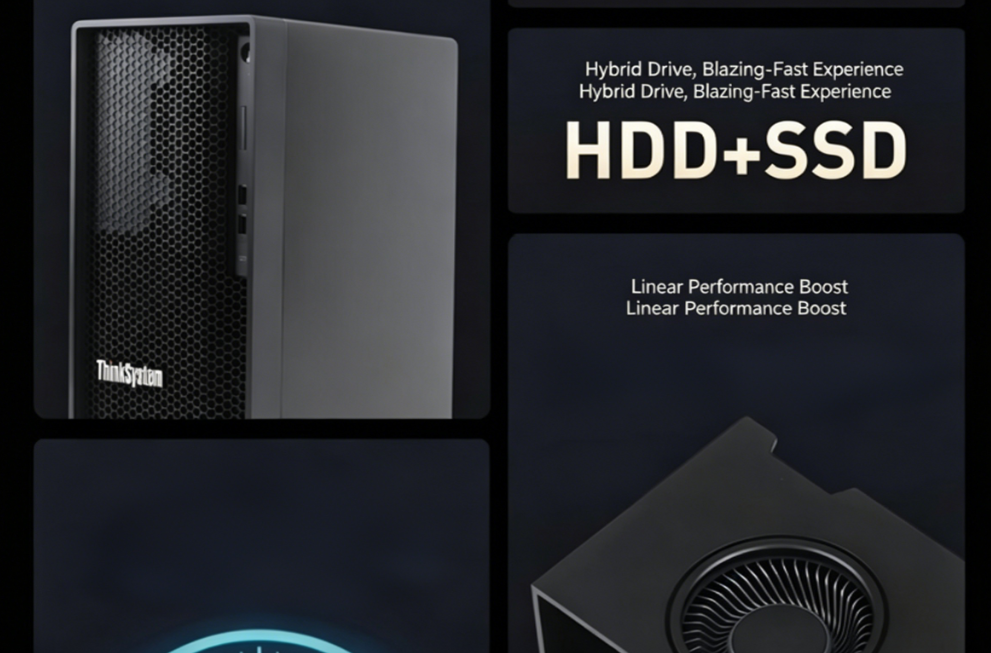
Lenovo ThinkSystem ST45 V3
· Power Consumption: 300W–500W (80 PLUS Platinum / Gold)
· Configuration: AMD EPYC 4004/4005 (16-core, 65W), 64GB DDR5, 3.5-inch HDD + NVMe SSD
· Advantages: Compact 17L chassis, Energy Star 4.0, 15%+ lower energy consumption compared to traditional models; suitable for office automation, file storage, and small databases
Supermicro FusionServer 2288 V7 (Low-Power Edition)
· Power Consumption: Single-socket 550W Platinum power supply, idle ≤20W
· Configuration: HiSilicon 3350 (65W), 128GB DDR5, 8×NVMe SSD
· Advantages: Domestic IT innovation, intelligent fans, zoned power supply; suitable for IT innovation office environments and edge computing
1U/2U Rack-Mounted Low-Power Servers (Mainstream Data Center Choice)
Dell PowerEdge R4715
· Power Consumption: 550W Titanium-rated power supply, typical system power consumption 280W
· Configuration: AMD EPYC 8024 (16-core, 80W), 256GB DDR5, 10×2.5-inch SAS/SATA
· Advantages: Optimized airflow, intelligent cooling, 40% improvement in performance per watt; suitable for virtualization and web services in small and medium-sized enterprises
Unigroup Hengyue UNIS R3610 G6
· Power Consumption: 550W Platinum power supply, 94% efficiency at 50% load
· Configuration: Intel Xeon E-2378 (8-core, 65W), 128GB DDR5, 4×NVMe SSD
· Advantages: BMC intelligent temperature control, fan PID speed regulation, supports wide temperature range of 5–40°C; suitable for IDCs and edge data centers
Huawei Atlas 800 3000 (Low-Power AI Inference)
· Power Consumption: System ≤650W, 72W per inference card
· Configuration: Kunpeng 920 (2-core, low-power), 32×DDR4, 8×Atlas 300I/V Pro
· Advantages: Multi-core low-power design, 1024-channel 1080p video analysis, 50%+ higher energy efficiency than traditional AI servers
Ultra-Low-Power Edge Server (Micro / Fanless)
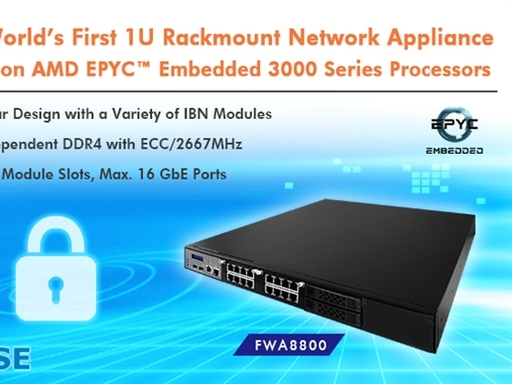
iBASE FWA8800
· Power Consumption: System ≤60W, CPU EPYC 3201 (8-core, 30W)
· Configuration: 64GB DDR4, 2×SATA+M.2, multiple network ports
· Advantages: Fanless, embedded, wide temperature range; suitable for edge gateways and industrial control
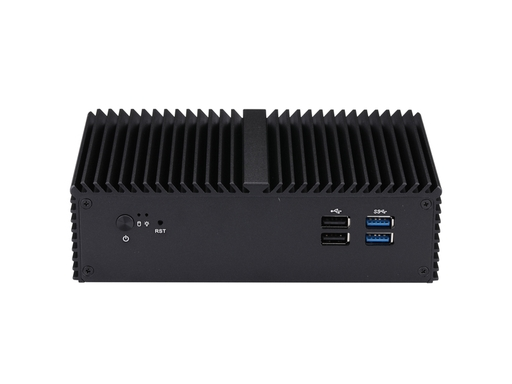
Qotom Q790G4 (Mini, Low-Power)
· Power Consumption: System-wide ≤25W, Celeron J6412 (quad-core, 10W)
· Specifications: 32GB DDR4, 1× NVMe SSD, 4× Gigabit Ethernet ports
· Advantages: Fanless, compact chassis; ideal for small NAS systems, software-based routers, and lightweight web servers
Domestic Low-Power IT Innovation Servers (Dual Carbon + Security)
Jite Haiguang 3350 2U Server
· Power Consumption: Dual-socket 550W Platinum, typical power consumption 320W
· Configuration: Haiguang 3350 (2-socket, 65W per CPU), 128GB DDR4, 12×3.5-inch HDDs
· Advantages: Domestic x86 architecture, compatible with mainstream systems, suitable for IT innovation, government, and finance sectors
5 Core Standards for Selecting Green and Energy-Efficient Servers
· Power Consumption Metrics: System Idle ≤20W, Typical Load ≤350W (1U), ≤500W (2U)
· Power Supply Certification: Must be 80PLUS Platinum / Titanium, 50% Load Efficiency ≥94%
· Processor TDP: Single-socket ≤80W, dual-socket ≤120W; prioritize AMD EPYC / Kunpeng / Haiguang
· Thermal Design: Intelligent fans, liquid cooling, wide temperature range (5–40°C), reduced thermal energy consumption
· Certification Standards: Energy Star, China Class 1 Energy Efficiency, Carbon Efficiency Label
Application Scenarios for Green, Energy-Efficient Servers
· SME IT: Low-power tower servers for office automation, file management, finance, and small databases
· Data Centers / IDCs: 1U/2U rack-mounted servers for virtualization, cloud computing, and web services
· Edge Computing: Fanless micro servers; industrial, security, retail, and smart city applications
· AI Inference: Low-power AI servers; video analytics, image recognition, and intelligent quality inspection
· Domestic Innovation / Localization: Domestic low-power chips; government, finance, and state-owned enterprises’ low-carbon transition
By 2026, green, energy-efficient servers have shifted from being “optional” to “mandatory.” When selecting low-power servers, prioritize four core metrics: power consumption, power supply efficiency, processor TDP, and intelligent cooling. By choosing mainstream models from Lenovo, Dell, Supermicro, Huawei, and Unisoc, you can meet business performance requirements while saving thousands in annual electricity costs, reducing PUE, and contributing to the “Dual Carbon” goals. Small and medium-sized enterprises should start with tower servers, while data centers should opt for 1U/2U rack-mounted models, and edge computing scenarios should utilize fanless micro servers to achieve a win-win balance of performance and energy efficiency.


评论
发表评论